Cooling Plants
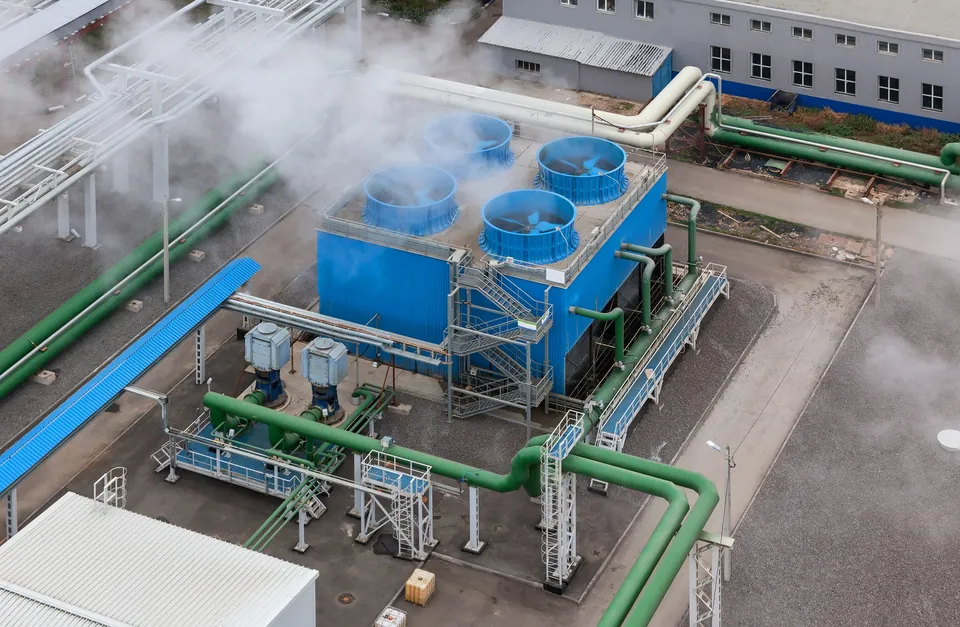
The operation of cooling plants must include energy conservation. A best practice for energy conservation at your facility includes managing heating, ventilation, and air conditioning systems (HVAC) through efficient operation and maintenance. Depending on the season, a garage or loading area cannot have any heating or cooling at all. An open warehouse may occasionally have open entrances and doors between seasons, but other times it may be shut and heated or cooled. System boundaries must be precisely defined in order to determine what settings should be used when, where the boundaries are, and how airflow from HVAC ducting should be directed, according to an energy audit or commission for energy conservation in new buildings.
Challenges
Power Quality
- Failure of sophisticated testing machinery and micro-processor controlled sensitive equipment
- Discontinued operation of crucial process such as synthesis, fermentation, milling and granulation
- Interruption in crucial drug formulation process
- Over voltage
Building Thermal Efficiency
- Insufficient cooling
- Heat pockets
- Stratified cooling
- Air pressure imbalances
- Frequent door opening
HVAC Efficiency
- Fresh Air Supply- Insufficient – Energetically inefficient without Heat Recovery units
- Insufficient cooling
- Excessive humidity lead to dust build up on equipment thereby lower efficiency
- mould leads to lower lifespan of equipment
- Heat build-up from equipment thereby leading to de-rating of expensive equipment and reduced life span
Lighting-Conventional vs. LEDs
- High operating cost due to higher consumption of electricity by Halogens
- Higher replacement costs due to shorter lifespan
- High thermal impact on cooling
Indoor Air Quality
- High Humidity
- High temperatures
- Odor-Food/smoke/mould
- mould
- Low efficiency due to dust built up
- VOC’s/CO2
Root Cause Analysis
Power Quality
- High harmonic distortion generated by automated machinery and drives basically employed in manufacturing plant, chiller plant and utility plant
- Varying harmonic spectrum and fluctuating load profile
- Positive tap change policies of the utilities
Building Thermal Efficiency
- High exposure to sunlight due to extensive use of glass facades in case of building/high rise towers
- Insufficient thermal insulation of windows, doors & roofs (corrugated steel roofs)
- Over burden on HVAC
- Lack of air flows lead to heat pockets thereby damaging equipment
- High outside temperature
HVAC Efficiency
- Incorrect choice of the chiller plant- this may be due to incorrect sizing or incorrect technology
- Poor Maintenance of chiller plants
- High Humidity
- Incorrect configuration
- High ambient temperature
Lighting-Conventional vs. LEDs
- Old technology of conventional lightings
- Inadequate light output
- Significant light depreciation within 6-9 months of installation
Indoor Air Quality
- Lack of dehumidification
- Lack of cooling/ insulation
- Lack of indoor air treatment
- Excess use of solvents in the form of air fresheners, detergents, cleaning sprays etc
- Dusty natural environment & inadequate cleaning by FAHUs
- Lack of indoor air filtration
Solutions
Power Quality
- Active Harmonic Filter at major non-linear loads
- Hybrid Filter suitable when power factor is low
- Voltage optimizer
- Dynamic Power Factor Correction with detuned filter reactor
Building Thermal Efficiency
- Cool window films
- Cool roof coatings
- Arresting leakage of hot air from doors
- Air pressure rebalancing
HVAC Efficiency
- Yearly audit and maintenance of HVAC and proper configuration of chiller plant.
- Refurbish existing Heat Recovery units by chemical cleaning of Heat Wheels, Enthalpy Wheel or Desiccant Wheel
- Additional upgrade of HRU with Horse Shoe Heat Pipe or Desiccant Dehumidification
- Consider advance air distribution technologies such as Bosch Clemotion or Composite air ducts.
- Chiller replacement for highest energy savings and lowest cost of ownership – Heat Pump -Water cooled chiller -Invertor based chiller
- Shading of chiller plant and Wet wall
Lighting-Conventional vs. LEDs
- Replacement by LED with following specs: -160 lumens/watt -less than 10% depreciation in light output over the expected life of 5 years – TL-21 certified – LM 79 and LM-80 compliant
Indoor Air Quality
- Heat Recovery Unit
- Horse Shoe Heat pipe
- Desiccant dehumidification
- Indoor air purification
- HEPA filters are best suited for dust collection
- Oxygen concentrators to improve air quality
Benefits
Power Quality
- Total current harmonic distortion maintained within limits specified as per IEEE standard (iTDD <8%)
- Elimination of failure of precision machinery, drive cards and PLCs
- True power factor closes to unity
- Clean and uninterrupted power supply
Building Thermal Efficiency
- HVAC is no more over burdened
- Wellbeing
- Window films add to the overall looks
HVAC Efficiency
- Lower cost of utilities (DEWA bills)
- Adequate cooling
- Improved life of chiller plant
- Improved lifespan of hardware
- Overall well being
- Better light output
Lighting-Conventional vs. LEDs
- Well being
- Reduction in heat load on HVAC
- 70-80% reduction in electricity bills
- Significant reduction in maintenance costs due to longer asset life
Indoor Air Quality
- Wellbeing
- Less maintenance problems
- Better life of hardware
- Better air quality
- Prevention of data loss due to system crash
Case studies
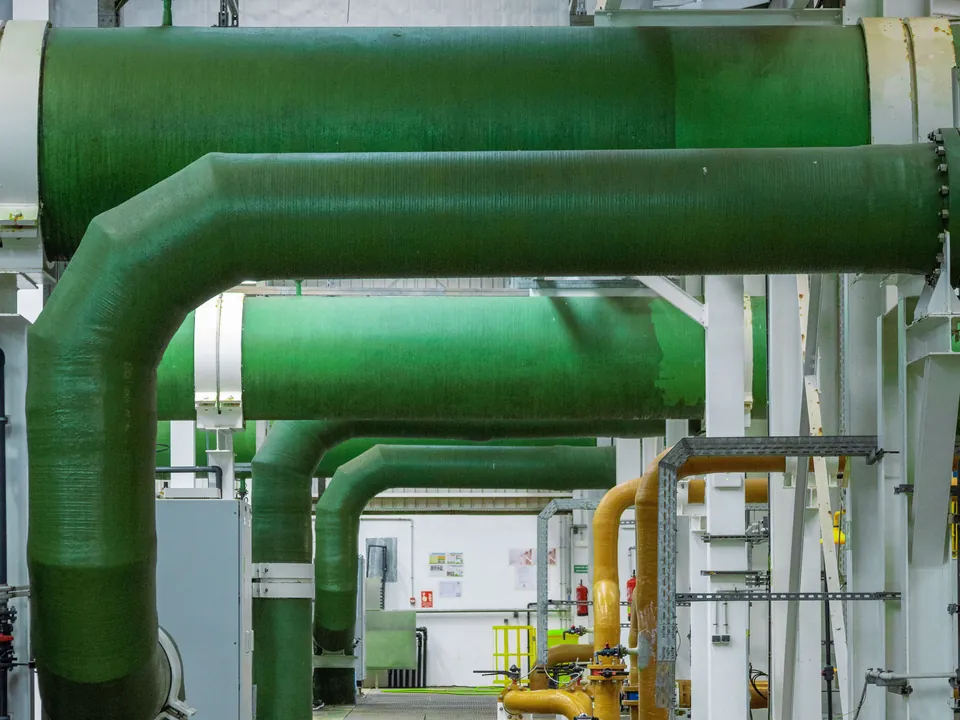
Emicool
Power quality analysis of chillers and pump units · Efficiency under SCADA network
COP ≤ 3.1 → ≥ 3.8 · 13–18% savings
Get in touch
+971 4 568 6557Office address UAE
Energy Savers Technical Services LLC1103, Opal Tower, Business Bay
Dubai, UAE · PO Box 126723
Office address KSA
Energy Savers Global CompanyOffice no. 20, Building 8, Al Wurud
Olaya Street, Andalus Mall, Riyadh, KSA